


Latest articles




2026.02.27 Updated

First and foremost, my heartfelt congratulations go to all this year’s award winners. Your achievements are truly remarkable, and we hope they will inspire you to continue your important work, while encouraging others to be equally inspired.
The clear message conveyed by this year’s entries to the IAUD International Design Award, is that universal design is no longer a niche or an aspiration for the future, but here to stay, as an integrated dimension of design across disciplines, and as a fundamental component of people-centered and sustainable development in all sectors of society.
For decades, IAUD has been at the forefront of this development. The organization has not only led by example, but also played a vital role in connecting practitioners, researchers and ambassadors across borders, fostering a strong international community. Through this shared platform, collective efforts towards a more inclusive, sustainable and humane society have been reinforced, grounded in a deep understanding of human diversity and our shared responsibility for the remarkable planet we inhabit.
Our understanding of universal design, of inclusive design and of design for all continues to evolve, and today encompasses our relationship with history, heritage and enduring human values. It asks us to carry forward knowledge from the past and apply it wisely in a rapidly changing reality, as demonstrated by one of this year’s award winners. This perspective is particularly vital when we consider emerging technologies, and artificial intelligence in particular. While innovation opens extraordinary possibilities, it also requires discernment. Technology must remain a means, not an end. It should be guided by human-centered values rather than driven by algorithms that cannot fully capture the real-world complexity of lived human experience.
Universal design is about perspective and perception. It urges us not to lose sight of essential values, even as realities grow more complex. Empathy, care, and real human relationships remain fundamental, and inclusive design provides a framework that can guide everyday decisions, as well as address broader systemic, structural and societal challenges. In practice, this calls on us – professionally and personally – to make conscious, value-based choices, to lead change, rather than simply adapt to it.
Although award entries inevitably represent a diverse and sometimes seemingly random selection, clear common threads emerge. There is no avoiding the growing presence of technology-driven and AI-based projects across many fields, but encouragingly, these projects often demonstrate a strong people-centered focus, using technology as an enabler, to better support independence, dignity and quality of life, in particular for those facing physical, cognitive or social challenges.
Education emerges as another key field, where universal design is increasingly integrated into curricula, and where AI-supported learning environments show potential to make learning more accessible, fun and inclusive. The strong representation of student entries is especially promising. Many address highly specialized issues, yet consistently with empathy, insight and a desire to empower those who are most vulnerable. Several projects highlight areas often overlooked in both design and business, recognizing that the ability to master challenges and participate fully in society is a fundamental human need.
The needs of seniors are also prominently addressed – a crucial focus in ageing societies worldwide. This is powerfully reflected in several award-winning projects this year, including the Grand Award winner SEKISUI HOUSE, with “New Places to Belong”, where inclusive architecture and sustainable housing respond thoughtfully to intergenerational living. Other projects demonstrate how seniors can be recognized as active, valuable consumers, reminding us that tailored communication and design strategies can create mutual benefit across generations.
Health care remains an area where universal design has long proven its value. Across many entries, the importance of user involvement and co-creation in the design process stands out clearly, underlining the role and value of direct insight from lived experience, that remains indispensable, no matter how advanced the technology.
It is also worth noting the number of recurrent award winners, whose achievement demonstrates that excellence in the field of universal and inclusive design is never a one-off, but the fruit of an ongoing and embedded practice. This long-standing commitment is reflected, year after year, in the strong number of Japanese entries, while the growing presence of globally recognized brands among IAUD Award winners clearly demonstrates that universal design is now mainstream and strategically embedded in business practice.
With its long history, this award is truly unique – an inspiring and educational lighthouse for universal design worldwide, and testimony to the global leadership shown by IAUD. But we must not forget that continued effort is essential, for the active engagement of new generations is key to ensuring the integration of Universal Design thinking into all aspects of life.
The quality of the IAUD International Design Award is underpinned by a truly international jury, which brings together a remarkable breadth of experience and expertise, and our discussions are always thoughtful, intense and deeply engaged, reflecting the seriousness with which each project is evaluated. It is an honor to serve as Chair of such an eloquent and knowledgeable group, and I thank you all for your dedication, insight and commitment.
Finally, my sincere thanks go to the entire IAUD organization for the immense work – often voluntary – that makes this award possible year after year. Thank you for the trust and honor of allowing me to serve as Chair of the Selection Committee. It is truly a rewarding role.
Thank you!
Citations for Grand Award (1)
Citations for Gold Awards (14)
Citations for Silver Awards (10)
Citations for Bronze Awards (4)
Citations for Awards of Excellence for Student Design Challenge (2)
Citations for Student Design Challenge Awards (11)
Announcement of IAUD International Design Award 2025 Winners
The past ten years of the awards have seen sustained progress, and to maintain this momentum the Judging Panel is looking for entries that:
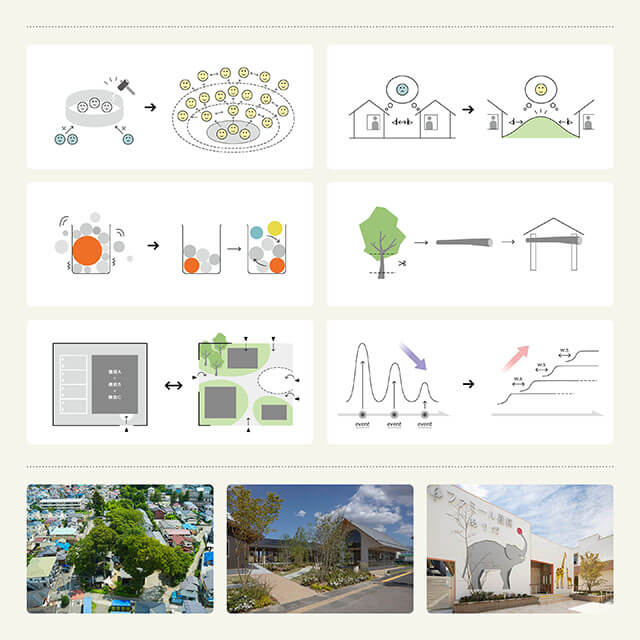
Recognizing human connection as essential social capital, this project by Sekisui aims to address regional issues and enrich daily life by leveraging historical resources and community-building systems. “New Places to Belong” are spaces in which people from diverse backgrounds can freely interact, and share insights gained in these innovative environments. The focus is on catering for all aspects of diversity, including age and capability, in shared community spaces where people come together and establish a common and inclusive sense of belonging.
The jury said of this project:
The jury commends this project for its humble yet ambitious approach to universal design, sustainability, and community building. Developed through long-term commitment and deep collaboration with local residents, end users and specialists, the initiative demonstrates co-creation as a key aspect of universal design. By addressing diversity beyond age and ability, and by consistently applying universal design principles, the project fosters inclusive, multigenerational spaces that encourage belonging and interaction between residents and local communities. Its thoughtful, site-specific planning process and timely focus on shared community environments respond directly to the global need for accessible, affordable, and socially sustainable housing, placing this work among the leading international examples in the field.
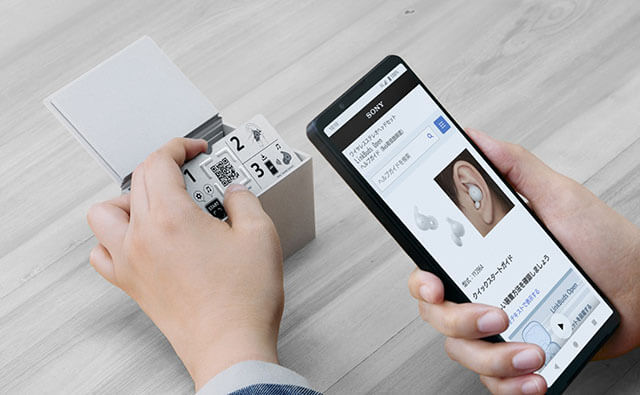
“Guide for QR,” is a tactile design that guides users with visual disabilities to QR codes on product packaging. By applying the principles of inclusive design, Sony has created an answer to the current lack of standardization in the use of QR codes in a universal concept – a simple, low-cost, globally shareable tactile system that works across packaging, brochures, and devices and will benefit all people with vision, in particular blind and low-vision users. Moreover, to encourage wide scale adoption and social impact Sony is making this design innovation available to companies, organizations, and individuals across the world.
The jury described this project as:
The jury recognises this project as an exemplary universal design initiative, deeply co-designed with blind and low-vision users, rigorously tested across multiple prototypes, and distilled into a simple and beautifully executed tactile system. Although it focuses mainly on packaging, application in other areas, e.g. the built environment and museums, is strongly encouraged. Through its open-specification model and cross-industry adoption, backed by Sony’s commitment and credibility, the project represents an important and scalable bridge between the physical and digital worlds, with the potential to bring clarity and predictability to an area currently defined by inconsistency.

An easy to use and intuitive soap dispenser designed for one-handed use. By pressing the upward-facing pump with the palm an attractive foam pattern is created to facilitate easy washing. Designed to include those who have difficulty using both hands, the product removes real barriers in a way that feels natural, safe, and joyful. By adding playful motivation it encourages children to develop the habit of washing their hands.
The jury said of this project:
A thoughtful and delightfully simple redesign of an everyday object. Grounded in rigorous and transparent user research, the project demonstrates increasing user satisfaction through iterative improvement, while remaining honest about practical considerations such as materials and logistics. Though modest in scope, this fun, effective and well-engineered innovation exemplifies inclusive design by turning a small daily interaction into a cleaner, more accessible and motivating experience for all.
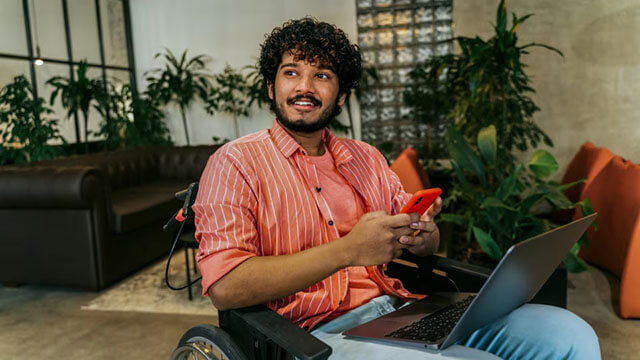
ServiceNow delivers digital accessibility through innovative solutions that meet the highest industry standards via its global enterprise workflow AI platform. Solutions that currently benefit the estimated 4.8m employees of ServiceNow customers with access needs. Though a young company ServiceNow has developed a deeply mature accessibility platform co-created with disabled employees and customers, resulting in features that improve workflow for millions. By embedding inclusive thinking into the entire product-development lifecycle ServiceNow clearly demonstrates its commitment to organization-wide transformation.
The jury described this project as:
A compelling example that demonstrates how universal design, when embedded from the very beginning, can achieve systemic and lasting impact by advancing accessibility at an unusually fast pace through the thoughtful application of AI. The company has delivered genuinely innovative solutions—such as Voice Input, inclusive design tokens and an AI-driven alt-text ecosystem—positioning inclusive design as a strategic driver of innovation and positive change.

Focusing on color vision diversity, Shiseido has this year focused on the perception of color at an individual level as an important aspect of color vision diversity. With the theme of “questioning beauty,” the company collaborated with an individual with color vision deficiency to create and propose an approach to makeup that allows people to experience color vision diversity. My Color my Beauty powerfully reframes beauty through the lens of color-vision diversity, using deep co-creation with one color-vision–minority woman, simulation tools and large-scale exhibitions and internal programs to influence both Shiseido employees and the general public.
The jury described this project as:
The jury commends this project for raising much-needed awareness of diversity in color perception, an under-communicated aspect of visual experience that extends beyond impairment to reflect the varied ways all people perceive color. Situated within Shiseido’s long-standing and consistent commitment to universal design, the project represents a thoughtful and socially relevant exploration of color-vision diversity within the beauty and fashion domain—an area that rarely receives sufficient inclusive attention. While primarily positioned as an awareness and experience-led program rather than a fully systemic product transformation, the work demonstrates strong corporate commitment, cultural influence and industry leadership, contributing to a more inclusive and empathetic vision of beauty.
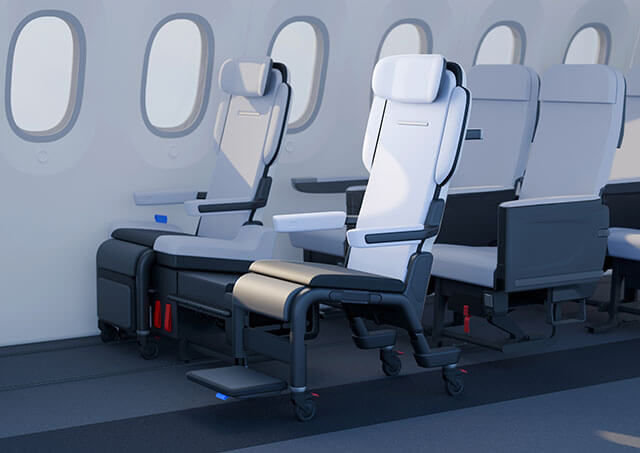
A detachable aircraft seat that doubles as a wheelchair and can transport passengers seamlessly within the cabin and between the airport and the plane, thus eliminating the physical burden on passengers requiring transfer assistance as well as on their caregivers during transferring. It also allows passengers to use window seats, which was not previously practicable. Extensive mock-up testing was used to establish the potential of this approach to address an important challenge in aircraft design and a major barrier to universal access to air travel.
The jury said of this project:
The jury sees this project as a forward-looking and ambitious aviation concept that tackles one of the most persistent global barriers to accessible air travel. The design thoughtfully balances demanding aeronautical standards with user-focused functionality and represents a novel vision of universal design for mobility within the constraints of aircraft cabins. While the concept does not yet address the full diversity of wheelchair types, broader disability needs, emergency scenarios or airline operations, nor mentions user testing, it meaningfully pushes the boundaries of current thinking and contributes an important, if partial, solution towards more inclusive and accessible air travel.
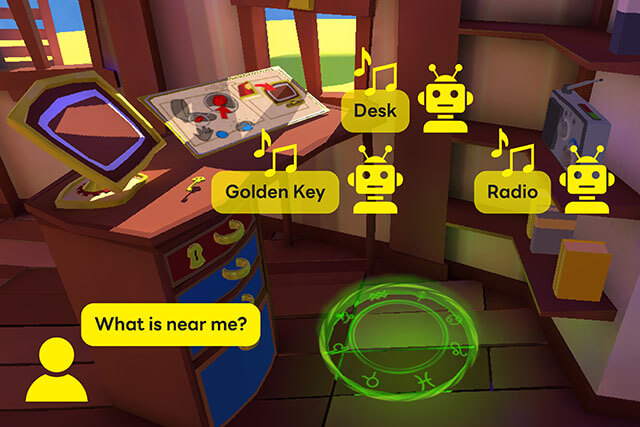
EnVision VR is the functional prototype of a novel AI-powered visual accessibility tool leveraging a visual language model (VLM), voice input and multimodal feedback to enable spoken interpretation of the surrounding scene and interaction with the nearby virtual objects in VR for Blind and Low Vision (BLV) users.
The jury said of this project:
This project is a highly significant and forward-looking contribution to inclusive design, addressing one of the most critical accessibility gaps in virtual and immersive environments. Developed through a collaborative two-university initiative, the work responds to long-standing limitations of VR for people with visual impairments, including older users, through rigorous user research and thoughtful interaction design. By demonstrably improving spatial understanding, the project shows strong potential to influence the future of universal design in VR, reinforcing the principle that accessibility must be embedded within mainstream immersive applications rather than confined to specialized solutions.
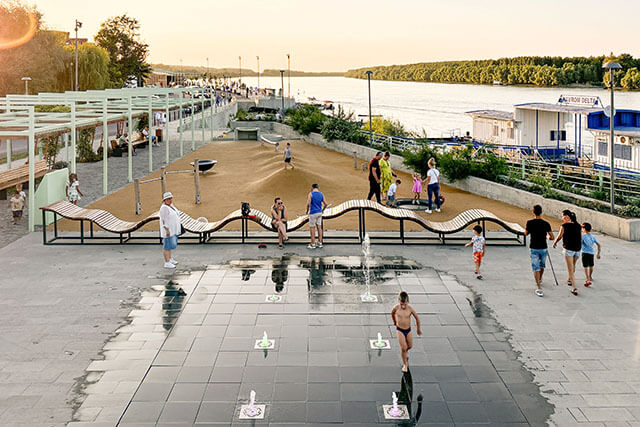
Mahmudia, a town in Romania, is emerging as an inclusive, vibrant gateway to the Danube Delta. Through community engagement and responsible design, the project has transformed a neglected riverbank into an accessible waterfront with a promenade, communal pavilion, panoramic viewpoints, and a natural garden, enhancing connectivity and shared sense of place for a multicultural community. A co-design process that meaningfully engaged with people of diverse ages, abilities and cultural backgrounds has delivered a flexible, inclusive waterfront that supports autonomy, social cohesion, recreation, and environmental learning.
The jury described this project as:
The jury applauds the potential of this project to act as a landmark example of inclusive public space in Romania, thereby setting a new benchmark for universal design in the region. Through deep community engagement and a holistic “topography of experiences,” the Mahmudia Waterfront integrates accessible terrain, multimodal wayfinding, sensory and tactile navigation. Inclusive play, and flexible public spaces support autonomy, social cohesion, and environmental learning for people of diverse ages and abilities. As a first mover in Romania, the project demonstrates strong cultural relevance and exemplary implementation, encouraging replication as Bucharest and other cities continue their inclusive urban development.
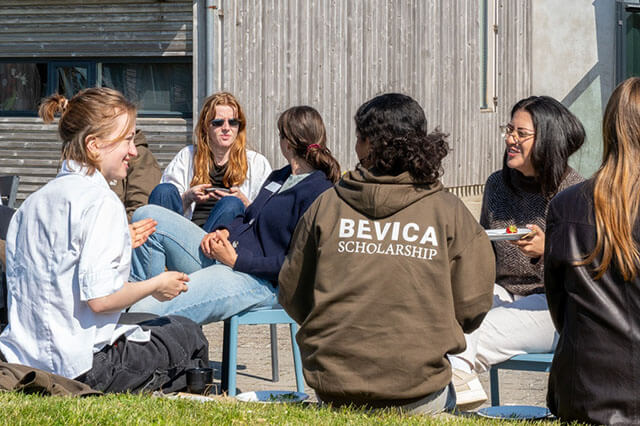
The Bevica Scholarship Programme invites students and lecturers from across all disciplines to define a problem on universal design, and travel to an international knowledge environment to investigate this. Through international networking, the scholarship seeks to generate interdisciplinary knowledge on UD and so empower a new generation of UD leaders and innovators. It represents a bold, systemic approach to expanding universal design knowledge by encouraging emerging scholars to explore UD challenges across borders and disciplines. Its strengths lie in global networking, interdisciplinary exchange, and a strong, value-based approach grounded in CRPD principles.
The jury described this project as:
A strong and holistic educational initiative that takes a systemic approach to advancing universal design by nurturing the next generation of practitioners and thinkers. The program builds lasting capacity by creating a growing network of universal design advocates whose impact continues well beyond the award period. Its strength lies in sustained support, international exchange and the demonstrable influence of alumni now driving meaningful change in companies and agencies. The jury notes opportunities to further strengthen the program through clearer access to research outputs, enhanced accessibility for applicants with diverse disabilities, and deeper integration of user-led research. Overall, the initiative represents a replicable and influential model for embedding universal design knowledge and culture at scale.
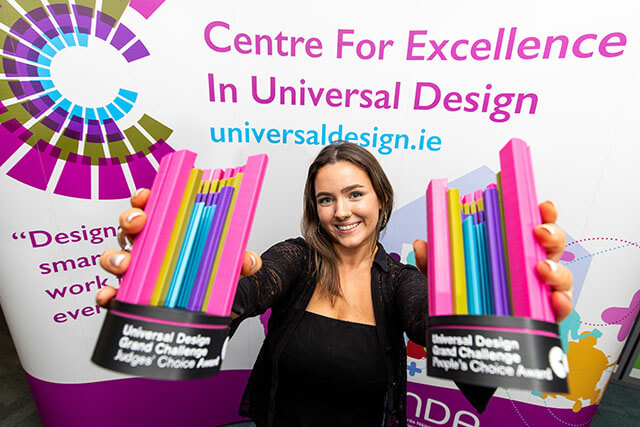
The Universal Design Grand Challenge is a competition promoting and awarding excellent implementation of Universal Design in student projects from Irish higher education institutions. Since 2014, The Centre for Excellence in Universal Design at the National Disability Authority has run the challenge across three categories: Digital, Built Environment and Products & Services. The Universal Design Grand Challenge is a powerful national platform that elevates UD education across Irish higher education by rewarding creative, socially oriented student projects and connecting emerging designers with industry and expert judges. Its strength lies in its longevity, broad visibility, and consistent investment in mentoring, networking, and public-sector leadership.
The jury said of this project:
A mature and well-established national initiative that has had a meaningful impact on universal design education across Ireland. By engaging colleges and universities nationwide—regardless of whether inclusive design is formally embedded in their curricula—the program broadens participation and significantly increases exposure to universal design through a competitive, hackathon-style format. Its emphasis on market-ready, socially oriented outcomes, combined with mentoring, pitching preparation, networking and engagement with industry and public-sector leaders, creates a powerful platform for emerging designers. While the jury notes opportunities to further strengthen accessibility for all student participants and to embed lived-experience user research more deeply within the process, the initiative goes well beyond recognition alone, playing an important role in raising awareness, building capacity and bringing universal design into sharper national focus.
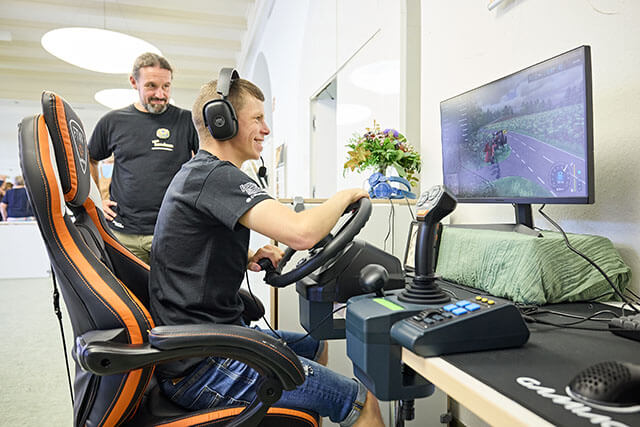
The Hephata vocational school supports students with special needs through “Lernacker”, an innovative app combining theory and practice. Using interactive missions and the popular game “Farming Simulator”, students virtually cultivate crops and care for livestock. Personalized learning plans help them build agricultural skills, foster independence, and enhance career opportunities in inclusive, engaging ways. Project “Lernacker” is a forward-thinking, inclusive educational model that leverages game-based experiential learning to help students with special needs build agricultural skills through a three-layered system: classroom theory, virtual missions, and real-world farm practice. Its universal-design strengths lie in its intuitive, low-risk learning progression and its pioneering approach to adapting complex digital tools for learners who typically face systemic exclusion from vocational pathways.
The jury said of this project:
It enables vocational students with disabilities to build confidence, motivation and practical agricultural skills across classroom learning, virtual preparation and hands-on farm experience. Its personalized learning pathways and low-risk progression offer benefits for learners who gain from understanding tasks in advance, including neurodivergent students. While the simulator itself is not unique, its thoughtful educational application demonstrates strong inclusive intent and practical relevance. The jury notes opportunities to strengthen universal design through broader co-design, clearer evidence of student participation, and enhanced accessibility for a wider range of sensory and motor abilities. Overall, the project represents a compelling model for applying inclusive learning tools to prepare students for meaningful participation in real-world work.
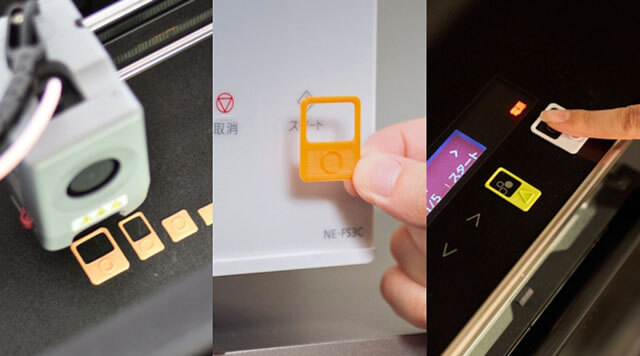
In line with its corporate commitment to inclusive design, Panasonic has developed range of simple, 3D-printed add-ons to address the global problem of increasingly prevalent flat digital controls on home appliances, which can be difficult to see and understand. These tactile markers can be retro fitted to existing home appliances to locate and identify touch-operated controls. The range consists of four standard shapes and eight symbols that can be combined by users to suit their specific requirements. As a contribution towards a future UD society, Panasonic has released the design as non-proprietary and freely available, fostering a culture of mutual support and improvement.
The jury said of this project:
A thoughtful and open approach to addressing a growing global accessibility challenge: the increasing reliance on flat, screen-based controls in home appliances. Through extensive user testing and co-creation, the project introduces a simple, colored and tactile add-on that can be retrofitted to existing products, enabling users to operate appliances more confidently without relying on visual readouts. While the concept is modest in scale and faces practical limitations in accessibility, distribution and reach, its strength lies in empowering low-cost, individual adaptation and reducing waste as needs change. Overall, the project exemplifies inclusive design through openness, collaboration and pragmatic problem-solving, offering a valuable retrofit solution that can improve everyday usability for many people.
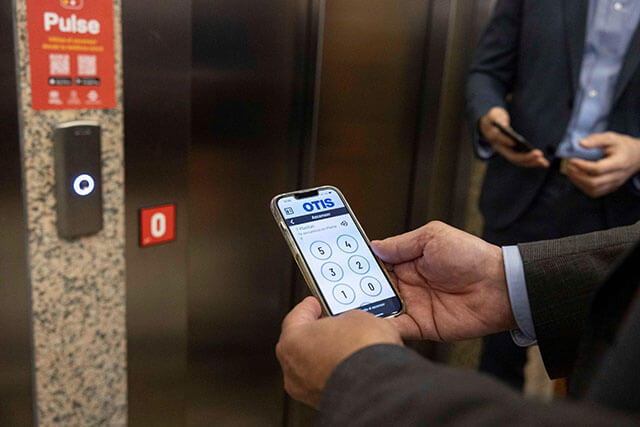
Pulse is a combination of electromechanical devices with a simple and intuitive app, thereby eliminating the barrier of having to operate the elevator button for people who use motorized wheelchairs. This is a strong, barrier-removing solution that enables hands-free, autonomous elevator use for people with severe motor disabilities via a smartphone app. It successfully pushes boundaries by redefining vertical mobility with a simple, universal contactless system.
The jury said of this project:
A bold and barrier-removing innovation that addresses a real and pressing need for greater independence in vertical mobility, particularly for people with severe motor disabilities. The solution delivers immediate, real-world impact and aligns strongly with broader social-inclusion missions, lending it credibility and potential for wider adoption. The project challenges conventional approaches in a highly regulated and traditionally inflexible industry, sending an important signal to elevator manufacturers that accessibility should be embedded systemically rather than added as a complex afterthought. While questions remain around feasibility at scale, reliance on smartphone access, and the need for broader, structured user research across diverse disability groups, the initiative excels in pushing boundaries and redefining how accessible elevator use could be realized. Overall, it represents a compelling step towards more dignified, independent access in everyday environments.
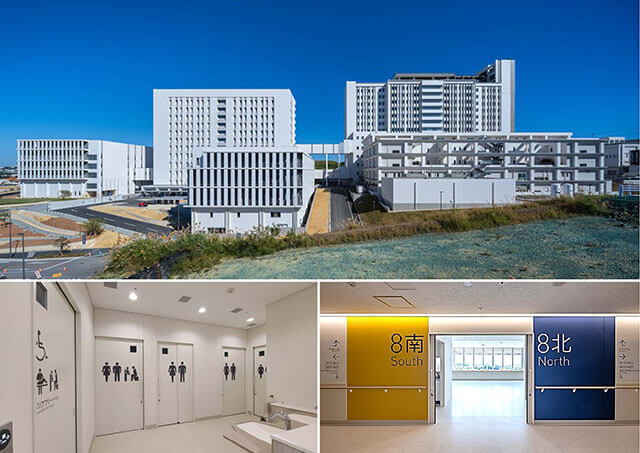
The University of the Ryukyus Hospital implemented a program of barrier-free facilities and universal design to support diverse users from the university and local community, and also staff with disabilities. This initiative included the provision of accessible restrooms for patients and visitors of all ages and abilities with disabilities, and the installation of universally designed, easy-to-use signage. It demonstrates strong organizational commitment and a thorough, campus-wide approach to UD integration, delivering inclusive mobility, signage, and facilities.
The jury said of this project:
A solid and commendable example of applying universal design at the scale of a hospital and university campus. The hospital integrates barrier-free access with thoughtful measures that go beyond minimum standards. The project is further strengthened by its responsiveness to user requests—particularly from wheelchair-using staff, sensory-impaired visitors and students—and by its emphasis on inclusive and affirmative employment practices. While the approach is largely grounded in established accessibility principles and would benefit from deeper co-design, broader user testing and stronger attention to emotional experience, aesthetics and wellbeing, the overall quality of execution and campus-wide integration demonstrate meaningful organizational commitment. As such, the project stands as a credible, user-oriented model for inclusive healthcare and educational environments.
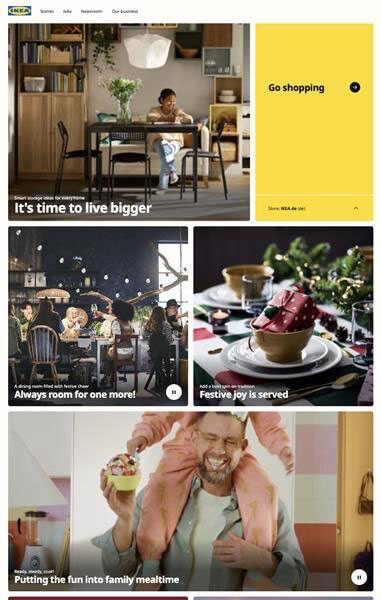
IKEA is making accessibility an integral part of its digital design approach and process to ensure that its teams in 62 countries build products that work for everyone. IKEA’s new AI tool writes alt text for over 400,000 products in 27 languages, and with blind, neurodivergent, and disabled users involved from concept to refinement, its website is designed to make online shopping easier for all. This approach constitutes a rare, global-scale example of embedding accessibility into the core infrastructure of digital design, and demonstrates a company-wide commitment to accessibility as a core value.
The jury said of this project:
By integrating accessibility into its global design system and developing tools such as improved image descriptions and an AI-supported alt-text framework, the project seeks to create a more equal online shopping experience for shoppers with visual impairments, neurodivergent users and disabled people across billions of annual visits. The work is informed by user and expert research and reflects a holistic approach rather than a superficial compliance exercise. At the same time, the jury notes important areas for further development, including inconsistencies in localization, over-reliance on unedited AI-generated descriptions, and the need for continued human oversight to ensure accuracy and usefulness. While the initiative may be seen as a late response to emerging accessibility requirements, its scale, ambition and deep integration set a meaningful benchmark for global digital accessibility and signal a strong foundation for future improvement.
The 6-door model from the VEGETA refrigerator-freezer series significantly improves ergonomic accessibility and ease of cleaning, backed by user testing. It features industry-leading volume efficiency and outstanding storage capacity and is designed for daily use by the whole family, with a strong focus on usability. Particular attention was paid to door operation by incorporating a unique mechanism that facilitates effortless opening and closing.
The jury said of this project:
A fundamentally strong and well-executed redesign that demonstrates how universal design can be seamlessly integrated into a major household appliance. Through careful observation of contemporary needs and user expectations, the refrigerator introduces refined usability features—such as touch-to-open access, improved internal lighting, ease of cleaning and a compact footprint—delivering meaningful ergonomic benefits in everyday use. While broader disability testing and greater attention to sensory and cognitive accessibility would strengthen the work further, the project exemplifies meticulous design thinking and a consistent commitment to user-centered innovation.
As a tool for both left- and right-handed users these easy-to-use scissors provide a good example of UD thinking. By shifting the design focus from the handle to the blade geometry, KOKUYO have cleverly equalized cutting performance for right- and left-handed users, and also for users with limited upper-limb mobility. This is achieved at a low price point, making the product affordable and readily available.
The jury said of this project:
A smart and non-stigmatizing universal design solution that rethinks a familiar everyday tool. The unique design ensures cutting performance is equally effective regardless of whether the scissors are used in the right or left hand handed. It also benefits people with limited upper-limb mobility, without added cost or complexity. While it still assumes a certain level of grip strength and fine motor control, the project offers a genuinely original response to a long-studied problem and reflects a strong commitment to inclusive, mainstream design.
This innovative loose-leaf binder opens with just a light touch to the two central rings. It requires less force than conventional binders, and the ring fasteners open wider, making it easy to insert or remove paper. The final design is the outcome of an inclusive redesign process involving workshops with elderly users, students, and people with upper-limb impairments, which prioritized the need for a one-hand operated, low-force binder mechanism coupled with color-vision–friendly divider tabs.
The jury said of this project:
A genuinely inclusive redesign grounded in extensive and iterative user research with people of different ages and abilities, including users with upper-limb impairments. Reflecting real needs the design delivers a clearer, more intuitive experience that benefits everyone. The project exemplifies universal design in practice and reflects a commendable long-term commitment to inclusive development.
Mitsubishi’s RP-241 is a small, drawer-type refrigerator for use by hospitalized patients in their rooms, and carefully designed for long-term, comfortable use in a medical environment. It features user-friendly handles, a compact, space-saving body, excellent energy efficiency and quiet operation. It is easy to clean, essential in a hospital environment, due to a reduction in internal components.
The jury said of this project:
A thoughtfully executed universal design solution that adapts a common appliance to the realities of hospital life, improving comfort and usability for patients. Features such as dual-handle access, quiet operation, cleanable construction, and intuitive visibility reflect careful user research and practical empathy, addressing diverse physical needs without adding technological complexity. While its broader necessity in hospital settings could be debated, the project exemplifies high-quality design and a clear commitment to user-centered, inclusive innovation.
Although conventional erasers are rectangular in shape, our observations of users revealed that they are difficult to hold for those with weak grip strength or large hands. This can result in the eraser breaking or unintended areas being erased. This parallelogram-shaped eraser is easy to hold, even for those with weak grip strength. It enables precise targeting of small text.
The jury said of this project:
A redesign of an everyday object, demonstrating how small, low-cost improvements grounded in extensive user research and testing can make an ordinary tool easier and more comfortable for everyone to use. Through inclusive workshops and careful material development, the design improves grip, control, and ease of handling, particularly for users with reduced or atypical hand strength. While similar solutions exist and the addressed problem may seem subtle, the project stands out for translating nuanced ergonomic insights into a universally usable and affordable product.
“All-Challenge” is a learning platform designed to provide an engaging and immersive learning experience that fosters social growth and lasting study habits. Through challenge-based game-play and AI-driven personalized learning, children build their own routines and develop self-directed learning skills.
The jury said of this project:
A thoughtfully designed inclusive learning ecosystem to support children with diverse abilities and reduce social and emotional barriers, such as isolation and differences in learning abilities. By integrating universal design for learning principles, the platform offers meaningful participation and personalized experiences, responding effectively to the realities of children learning alone after school in Korea. While some prototype features remain untested, and the lack of explanation about the users involved, as well as further impact data, would strengthen the case, the project demonstrates a scalable, user-driven approach that advances digital inclusion in education.
CaixaSon is a socially transformative music project that unites diverse participants and builds cross-border community through shared artistic experience. A pioneering model of social inclusion through music, bringing together vulnerable groups from Spain and Portugal that integrates training, research, and social participation to deliver measurable outcomes in social cohesion, empowerment, and shared cultural transformation across borders.
The jury said of this project:
A vibrant and socially impactful model of universal design initiative that unites participants of diverse abilities, ages, and backgrounds, fostering inclusion and community through shared cultural experiences. Building on prior IAUD award-winning work, the project has scaled up to involve prominent artists and a larger, more diverse group, demonstrating the power of culture to promote social cohesion. While it lacks formal universal-design evaluation and accessibility measures beyond participation, it remains a vibrant and impactful model of inclusion through the arts.
Villa 62 is a residential project that integrates Universal Design principles with a contemporary aesthetic. Designed in collaboration with a team of medical experts and rehabilitation specialists, the home addresses the nuanced needs of elderly residents and a wheelchair user, going beyond conventional accessibility standards. Its neutral color palette and modern design combine to create a sophisticated living environment.
The jury said of this project:
A deeply user-driven, multi-generational home renovation in India that demonstrates how universal design can enhance independence, dignity, and everyday living. Its detailed approach—combining medical insight, co-creation with contractors, and hands-on training—raises awareness of accessibility needs across all participants, from professionals to construction workers, making it both educational and inspirational. While broader user testing and organizational UD policy are not evident, the project stands out as a high-quality, contextually relevant example of inclusive residential design.
Conscious of the pressing environmental need to move away from plastic packaging, Kokuyo have designed stationery packaging that exploits to the full the unique appeal of paper and is also easy for users to understand. By adopting the industry's first multilingual, voice-enabled 'accessible code', a wide range of users—including those with visual impairments and foreign nationals—can easily access product information in audio format via their smartphones.
The jury said of this project:
The jury applauds this project for its user-driven redesign of everyday packaging that combines universal design with sustainability. Through extensive user research and iterative testing, the company has created a solution that enables visually impaired and sighted users alike to access product information blending tactile cues, simplified graphics, and a multilingual audio-QR system. This forward-looking approach demonstrates both practical usability and environmental responsibility, exemplifying how inclusive design can be seamlessly integrated into everyday products.
This project introduces a universal design system for live commerce broadcasting tailored to aging populations. Through structured information design, high-contrast visuals, and intuitive iconography, it enhances usability, reduces misrecognition, and ensures digital inclusion in everyday commercial experiences.
The jury said of this project:
A well-considered response to growing digital exclusion among seniors, offering a universal design framework that improves readability, recognition, and usability through clear hierarchy and high-contrast visuals. Extensive user research and A/B testing demonstrate measurable benefits for the target group, but a broader consideration of non-visual disabilities, low digital literacy, and low-tech alternatives could strengthen its inclusivity. The project exemplifies a strong, research-driven step toward more accessible digital experiences for older consumers.
Solo Pizza Pie is a vocational training program for youth at risk with three centers in Israel. The scheme provides youth at risk with a place to work and socialize, where they can study, attend classes, relax and enjoy themselves. Professional teams provide ongoing support and guidance, helping young people improve their vocational and social skills in a safe environment.
The jury said of this project:
Solo Pizza Pie is a socially impactful program for youth at risk, backed by a credible organization advancing inclusion and community connection. While the initiative strongly supports social accessibility, it demonstrates limited application of physical or interactional universal design principles.
Shokolatop is a chocolate factory inside Ramle prison in Israel. Built in 2022, the factory offers vocational training for prisoners with mental disabilities during their time inside this high-security setting, equipping them with useful work-experience as part of their recovery program.
The jury described this project as:
A powerful and well-established model that extends meaningful training and psychosocial support to prisoners with mental disabilities, with the goal of advancing inclusion and employment opportunities for a highly marginalized group. The universal design dimension remains more systemic, and model-level than concretely evidenced in the physical or sensory environment.
Seamless Link is a well-integrated pedestrian environment connecting elements within a high-rise development in Seoul, featuring universal paths, gentle slopes, and multi-sensory rest areas and public facilities. The public pedestrian pathways serve as spaces connecting nature, the city, and the local community, fostering an inclusive culture where people can safely interact.
The jury described this project as:
A thoughtfully designed landscape and circulation strategy that integrates nature, community spaces, and safe mobility across a large site, offering restorative and socially connective experiences. Although the concept is strong, evidence of user research, testing, and consistent implementation for elderly and disabled residents is limited, leaving many claims based on design intent rather than user validation.
Interviews with people aged 90-and over captured details about their lifestyles, values and relationship with nature in the period before the Second World War, which then became the inspiration for a collection of designs, images and graphics. Names and patterns were designed for each of these “shades of lifestyle”, as a way of passing on the wisdom of Japan’s elders to future generations.
The jury described this project as:
A poetic and culturally meaningful effort to preserve intangible wisdom by translating elders’ lived experiences into visual and narrative forms. While the work is ethnographically grounded and offers reflective value around sustainability, dignity, and intergenerational learning, its contribution to universal design remains conceptual rather than functional. Nevertheless, the project provides an important reminder that inclusive design can also engage with less tangible dimensions of everyday life—values, memory, and ways of thinking—that risk being overlooked in contemporary design discourse.
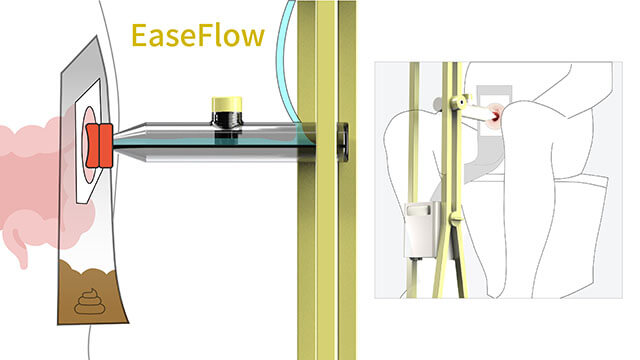
EaseFlow is an assistive medical device that enables elderly colostomy patients to perform safe and comfortable irrigation at home. Integrated with a mobility walker, it allows seated use with stability. Its modular design is easy to assemble and clean, reducing caregiver dependence. Hands-free operation and a soft silicone cone minimize strain and discomfort, enhancing independence and quality of life.
The jury described this project as:
A powerful and sensitive innovation in self-care that addresses a highly underrepresented and often stigmatized area of daily living. Grounded in direct user engagement and ergonomic research, the design transforms a complex and physically demanding colostomy irrigation process into a safer, more autonomous experience that supports independence and participation in everyday life. While some jurors highlighted the need for broader user testing and further simplification, overall, the project exemplifies how inclusive design principles can meaningfully improve dignity, autonomy, and quality of life, even when addressing highly specific needs.
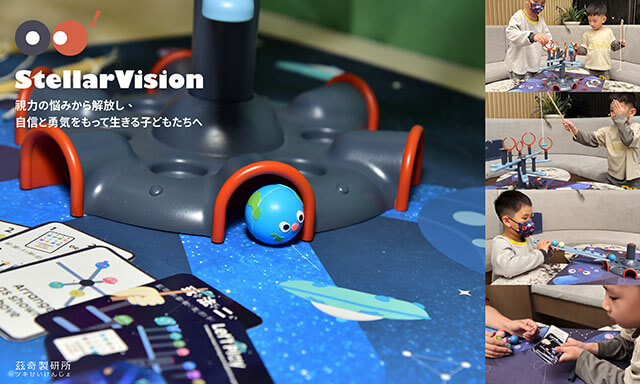
StellarVision is a game-based visual training device designed to prevent and improve childhood strabismus and amblyopia, or lack of co-ordination between the eyes. Through star-themed games, it allows children to enjoyably train their eye movements, depth perception, and binocular coordination.
The jury described this project as:
An appealing design-driven health innovation that translates non-invasive pediatric visual therapy into an engaging, play-based experience. By transforming clinical eye-training principles into intuitive games suitable for individual or group play, the project supports early intervention, preventive care, and home-based rehabilitation. Grounded in expert consultation and early user testing, the work demonstrates strong design maturity and motivational value. While its universal design claims would be strengthened through broader developmental profiles, inclusive adaptations, and verified clinical outcomes, the project shows clear potential to advance accessible, preventative healthcare through play.
This study, of toilets in the public space, such as on roads and in parks, analyzed the accessibility of all 71 public toilets in Tokyo’s Bunkyo District using a Geographic Information System. The study mapped distribution, provision and facilities by gender and for wheelchair-users per 500m and draws lessons for the future from its findings.
The jury described this project as:
A rigorous and insightful spatial analysis that uses quantitative data to reveal gender and accessibility disparities in public toilet provision. While primarily a research study rather than a direct universal design intervention, it provides valuable evidence and tools that can inform more equitable planning of everyday urban infrastructure.
The C.F.T Patch is an innovative concept to improve fentanyl safety and avoid overdosing. In particular it addresses the critical, real-world problem of fentanyl overdose in terminal cancer patients by offering a combination of user-friendly features, including modular dosing, temperature alerts, and a site-rotation dial.
The jury described this project as:
A thoughtful medical-safety concept that seeks to improve autonomy and reduce risk in the self-management of fentanyl. While the proposal introduces promising ideas such as modular dosing and visual safety cues, it lacks essential user engagement, clinical validation, and universal design consideration for vulnerable patients, limiting its readiness for safe real-world application.
EduBridge is an app designed to address educational inequalities by connecting children, companies, and universities through free workshops and digital learning resources and internships, with the goal of ensuring equal opportunities despite financial obstacles. Its core strength lies in the depth of user insights gained from parent surveys.
The jury described this project as:
A socially motivated and clearly articulated student concept aimed at reducing educational disparities through a CSR-linked model. While the idea is promising and informed by personal reflection and early insights, it remains at a conceptual stage and would benefit from direct participation by target users and a more explicit integration of universal design principles.
ROLL ON SKIN is a medicated roller for children with atopic dermatitis. Its playful design encourages proper use and helps control symptoms. Mini rollers imprint attractive patterns, making treatment fun and motivating continuous use. Made of medical-grade stainless steel with antibacterial silver ions, it also helps prevent infections.
The jury described this project as:
A playful, child-centered design that addresses a specific healthcare need by making treatment more engaging and improving adherence through gamification. While still at an early stage and reliant on novelty, the concept is supported by prototype testing and shows clear potential to improve the daily experience of young patients, with further refinement needed to address hygiene, universal design aspects and usability concerns.
C.Clipper is a well-thought-out solution for introducing children to nail care safely. A built-in stamp function allows children to practice trimming their nails by printing a cutting line on them before using the blade. Safety is ensured by separating the two functions and the design allows children to learn under supervision before clipping their own nails.
The jury described this project as:
A fun and gentle innovation that turns nail care into a safe, confidence-building learning experience for children. While the staged practice approach and safety features show thoughtful design intent, the universal design value remains limited by a narrow ergonomic focus and would benefit from greater adaptability for diverse users.
CryoNail Relief alleviates chemotherapy-related nail abnormalities through CO₂ cooling and protective medication spray. Infrared targeting ensures precise application, while a ring design prevents fingertip pressure injuries. With its nail care app, users can monitor conditions in real time, ensuring safe and timely treatment.
The jury described this project as:
A remarkable, empathetic medical design addressing a painful and often overlooked side effect of cancer treatment. While the solution demonstrates strong insight and careful execution, its complexity and focus on a specific medical context limit its universal design reach, making its impact more targeted than broadly inclusive.
WildOne is a planet-centric service that reconnects people with nature through regenerative urban tourism and rewilding. By linking mental wellbeing with biodiversity recovery, it transforms sustainability into a shared benefit, empowering communities and conservation groups to co-create thriving ecosystems, healthier cities, and a resilient foundation for future generations.
The jury described this project as:
A valuable idea and service concept that links human wellbeing with ecological recovery through participatory, co-designed approaches and strong systems thinking. However, while its public-health and sustainability ambitions are clear, the universal design dimension remains largely conceptual and insufficiently evidenced in terms of inclusive access across diverse user groups.
Flame is a transport-focused fire suppression system for lithium battery incidents. It features remote deployment via a telescopic pole, a triple-layer shield—fire blanket, impact-absorbing fluid, heat-resistant metal—and a convertible water tank that submerges and cools batteries post-suppression to prevent re-ignition.
The jury described this project as:
A well-structured and safety-driven response to the growing risk of lithium battery fires. The project demonstrates strong engineering rigour, scenario analysis, and attention to safe handling and containment. The solution is highly specialised and intended for trained personnel rather than general users. Its universal design dimension is not clearly articulated, positioning the project more strongly within safety engineering than inclusive design.
The Renew Harvest Pack is a refugee aid kit that integrates ready-to-eat staple food with a bean sprout cultivation system. Food scraps placed in the sugarcane fiber container become fertilizer, enabling bean sprout harvest within four days. This achieves resource-circulating, sustainable food assistance.
The jury described this project as:
An ambitious and conceptually strong proposal that addresses global food insecurity by combining immediate nutrition with a regenerative, closed-loop cultivation system, linking environmental sustainability with core universal design values such as dignity and resilience. While inspiring in intent, the project remains largely conceptual and would require substantial user research, practical validation, and real-world testing to ensure feasibility, safety, and accessibility in crisis and refugee-camp contexts.
This standalone device reduces nocturnal teeth grinding by intelligently detecting jaw activity with a MEMS microphone and activating TENS microcurrents to relax jaw muscles. It prevents tooth and muscle damage, protects the temporomandibular joint, and improves sleep quality.
The jury described this project as:
A technically ambitious student proposal that combines new sensor technology, AI and microcurrent therapy. While the concept demonstrates strong technological innovation and clear problem–solution logic, it currently lacks user research, clinical evidence and a stronger focus on universal design and inclusive access, limiting its broader applicability.
Drying Rack Chair is a two-in-one piece of household equipment combining a chair and an indoor drying rack, saving space, meeting clothing needs, and offering a convenient, versatile solution for comfortable living in small areas.
The jury described this project as:
A compact, space-saving concept responding to tiny-home living, with evidence of structural iteration and manufacturing consideration. However, the integration of functions offers limited practical or ergonomic advantage, lacks user testing with diverse populations, and does not convincingly demonstrate universal design relevance beyond compact and sustainable lifestyle trends.
Citations for Grand Award (1)
Citations for Gold Awards (14)
Citations for Silver Awards (10)
Citations for Bronze Awards (4)
Citations for Awards of Excellence for Student Design Challenge (2)
Citations for Student Design Challenge Awards (11)
Announcement of IAUD International Design Award 2025 Winners
